Concrete Guidance: Y.O.R Part 3
These are the things, people, and places that you’ve read about (and some that you’ve never heard of) and they are likely what helped you decide to come home to Ghana for December 2019.
* HiSTORY*
The last in this #yearofreturn series speaks a little bit to all of the other parts. Year of Return is a chance to wrestle with history, embrace one another in the present and push—what I like to think of as a shared throughline— the resiliency of global black experience into the future. No matter how often we’ve been written out of history, we are more in command of our histories than ever.
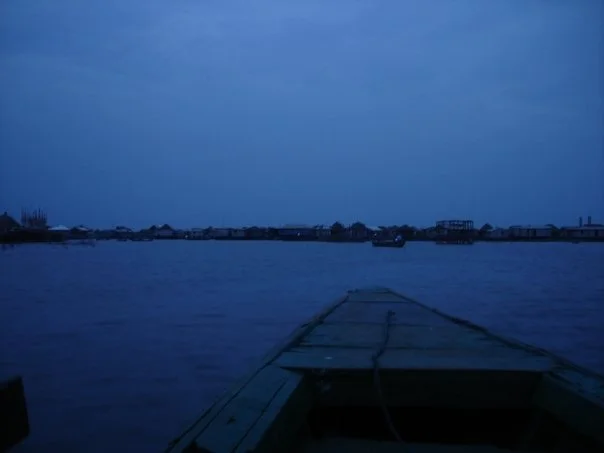
Benin on the water, ever forward, circa 2008 Photo credit: Ohemaa Serwaa
We can look back without caution or fear of what we might find. Speaking all of the truths to power so that nothing gets left out and that we find strength for whatever comes next.
This year, I’ve flagged articles/blog posts about Year of Return and more specifically about Ghanaian tourism, and I want to share two posts by writers I follow. The first writer is Yamuna Flaherty on her eponymous website, about the Salaga Slave Market. The second writer is Chike Frankie Edozien on Atlas Obscura, titled “Retracing Ghana’s Old Slave Trail” in which Edozien follows the path from the interior to the coast. Out of the four main historical locations that Edozien describes I have only been to two. Once to Pikworo which is the “beginning” of the trail/trial and several times to Elmina Castle. It is very likely that if you are in Ghana for the Year of Return you also might only be able to visit one or two of the sites depending on your time constraints. This post is not about recommending one over the others, but to give a slightly wider view of what is available, if you’re curious.
I remember that the trips to Cape Coast which happened with family when I was younger were really powerful, somber and times of reflection and discussion. My perspective of the Atlantic ocean as a giver of life became instantly enmeshed with danger, death, and unforgiving power. Years later those feelings came rushing back as I stood at Glass Window Beach on Eleuthera Island in the Bahamas— where the raging grey water of the Atlantic is juxtaposed a mere 30 feet from the the calm clear blue of the Caribbean sea. Just a feeling of awe and confusion about how all of this had been allowed to happen.
At Pikworo I was in a mixed group of young NYU students and it was a little bit awkward but definitely surreal. I think Y.O.R experiences with people of the diaspora will be surreal on a different level. Weeks after Pikworo, in neighboring Togo and Benin a small group of women of color and I visited similar sites of the enslavement trail. That process I think was much more cathartic and freeing; I felt like less of a spectacle. I can only hope that you have similar nurturing experiences.
So if you want a more in-depth take on the heritage sites below, I recommend reading those two posts above. Here, you’ll find a brief listing of the main sites and some facts about them.
Pikworo Slave Encampment
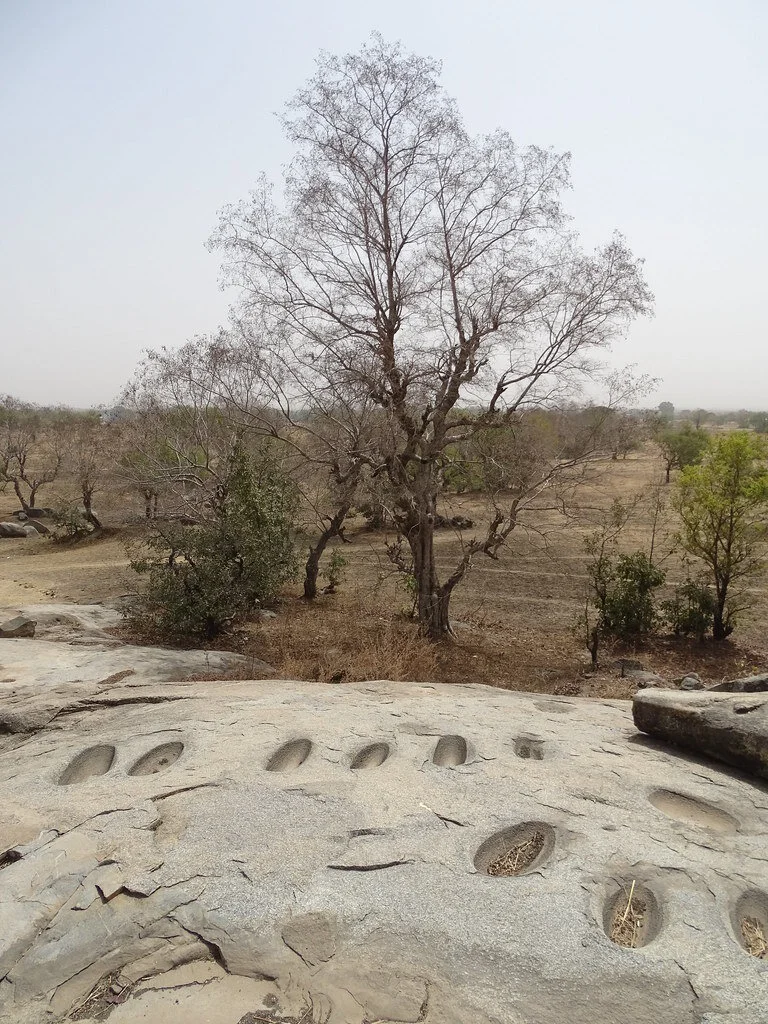
"Pikworo Slave camp, food was provided in the wholes once a day" by sucram21 is licensed under CC BY 2.0
Also known as The Dining Place of Slaves, it is located 823 km/511 miles or roughly 14 hours from Accra. It is located in the Upper East Region. Recognized as the innermost stopping point for raiders to feed and sometimes punish their captors because of its relative seclusion. It is speculated that the encampment only lasted 4 to 5 decades. It sounds like a small amount of time, and its such a quiet area, but don’t let those things fool you. The energy here is heavy.
Salaga Slave Market
Located 459 km/285 miles or roughly 10 hours from Accra. Salaga, located in the Northern Region, was an important trading post long before the slave trade and today the tree from which captives were sold sits in the middle of a bus depot. This means that there isn’t much marking the site except for a signpost, but locals can help you navigate the area, according to Yamuna’s post. Here, the enslaved that survived the trips from the interior might have be sold to traders in the area or were marched onwards to Atlantic ports.
Assin Manso Slave River
Located 152 km/94 miles or roughly 4 hours from Accra. Also known as Last Bath, it is where the enslaved were washed before another potential sale or continued on the final marches to the coast. Assin Manso is within forestland and the walk from Salago would have been surrounded by forests at points. I’ve never been to this site but I do hope to go one day. It is interesting to think about the forest in the same way I think about the Atlantic: this force that is both a giver of life and the witness/absorbent of much pain.
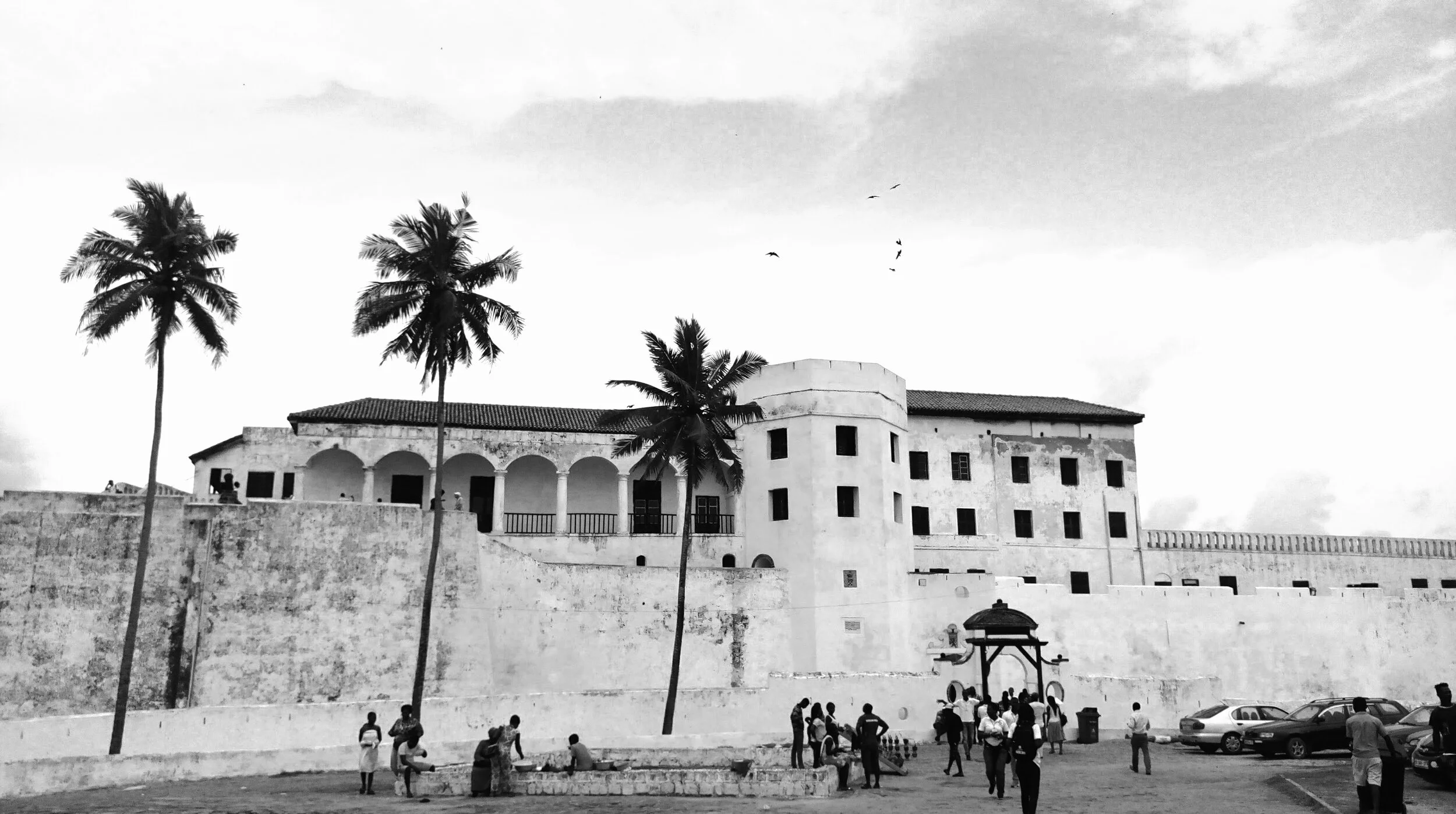
Photo credit: Peace Itimi @peaceitimi via Unsplash
Elmina Castle, Cape Coast
Located 147km/91 miles or a little under 4 hours from Accra. It was built by the Portuguese in 1482, is the oldest trading post on the Coast as well as the oldest bit of European architecture south of the Sahara. Renovations of the Castle began in the 1990s and have continued through today, as it is the most recognized of Ghana’s heritage sites.
It housed European Governors and Officers, and cargoed Enslaved Africans in small quarters in addition to the gold, cloth, arms, and other resources frequently traded for the captured. Those who survived the various marches to reach this point were then held sometimes up to 3 months, before stepping through the Door of No Return down to the beach, onto small boats, and then out to slave ships docked out at sea.
I think sometimes all it takes is having a bit of clay earth under our feet to feel connected (see Abstract Guidance: Y.O.R Part 3). If trips to these sites above aren’t possible then a trip to one of the natural landscapes alone (or in tandem with a historical site) might be an enriching and soothing counterbalance. Wrestling with history can leave bruises.
Kakum National Park, Cape Coast
Elmina Lagoon, Cape Coast
Wli Waterfalls, Hohoe
Boti Falls, Boti
Legon Botanical Gardens, Accra
Aburu Botantical Gardens, Accra
And if you are interested in the history of Accra in terms of the slave trade, like most forts that dot the coastline, the colonial buildings in Osu and Jamestown Accra had a place in this history because they had access to the Atlantic, were major trading posts, and seats of government in some cases. Although the buildings in Jamestown specifically are in disrepair with limited access (or soon to be demolished in some cases), you can get a sense of how some of the spaces were used throughout history.
Osu Castle/Fort Christianbourg
Event space and former presidential residence means that it is often heavily guarded, but also open to tours.
Ussher Fort/Fort Crèvecœur
Limited tours, site of temporary art installations during Chale Wote festival.
There are tours from different groups available, although I can’t recommend one over any other. A bit of sleuthing on www.tripadvisor.com should do the trick if you plan on exploring these historical slave sites in Accra.
Some heritage sites have been more easily incorporated into a single narrative of Africa’s part of the transatlantic slave trade. Perhaps like most deeply instilled trauma the (collective) mind tries to hide the memory to preserve the body/spirit. But something in the body/spirit always remembers. Whether we put up markers and memorials, if you are looking close enough, the markers are there for those who seek them.
I wish you well on your remembrance journey. History pushes us forward, Fam. Don’t let anyone tell you it holds you back.
~Ohemaa Serwaa