Abstract Guidance: Y.O.R Part 1
These are things that will help you have a great time during The Year of Return if they are utilized in all of your interactions. They are more like frameworks through which you can mindfully experience all that Ghana has to offer.

Photo Credit Oladimeji Ajegbile @diimejii via unsplash
*Patience*
I wanted to start with patience because having it will ground and nourish you throughout your experience in Ghana. Depending on where in the world you grew up, you may already be familiar with the term “C.P.” time. If this, or even “the itus” are not a part of your cultural lexicon-- think of these as akin to siesta culture. I’m often reminded when I’m in Accra that my deeply ingrained American/Protestant concepts of time and work do not hold water on the continent. Rather than myself disintegrating into a puddle of emotions—frustration being at the forefront— within about a 2-3 days of my timetable not being met, I remember to readjust and “go with the flow”.
I’m hoping to save you a bit of time, and remember to breath. For a new bi-continental entrepreneur this can seem perplexing— but I’ve learned many valuable lessons working with artisans and artists in Ghana about patience and expectation. I don’t compromise on quality, but that can extend to the quality of the experience and not just transactional encounters. More than anything, I try not to think about time being wasted or as a finite experience. Instead, I’ve learned to think of ways to make my time just that: mine. If you’re only thinking about things in terms of transactions then you’ll only be thinking about all of the money that you spent to get to Ghana rather than Year of Return as a once in a lifetime experience— or at the very least a catalyst to something more.

Photo credit: Nils Nedel @nilsnedel via unsplash
The whole impetus behind this series came after eavesdropping on the conversation of a gentleman from St. Thomas who had attended a wedding in Accra, but who was none too gentle on his “sub-par” experience in Ghana— and all the ways the country had failed him on his short stay. This was on the long journey back to the states and I listened in quietly (I was an unwilling participant in the conversation (remember…eavesdropping) although he was talking fairly loudly to others in the wedding party, including some Ghanaians who just laughed him off).
I kept trying to get away but even in the layover in Abidjan and connecting flight to JFK, avoiding the conversation proved difficult (okay okay plus I was curious!). Later the same gentleman traded seats with a mother so that she wouldn’t be separated from her child seated in a higher row. He then proceeded to complain that his new seat was unacceptable. After having performed such a kindness he had expected to be rewarded with first class...anyway…) He described his frustration with Accra traffic, with overly familiar men, women, and children, with service standards.
The problem with eavesdropping is that you can’t get a full picture of the participants’ perspective, but I didn’t want to write-off his observations. In truth we have a some way to go in terms of hospitality infrastructure and tourism but we are literally some of the warmest and most hospitable people you can find. I didn’t have recourse to probe this guy with follow-up questions (I was still on vacation, dammit!) and truthfully I just wanted a bit of peace. He talked about a perceived slight that occurred in regards to personal space, and how he and his fellow islanders would have handled the situation if back on St. Thomas (without words if you get what I mean).
And so I thought about what things his friends who were familiar with Ghana could have told him to expect so that his interactions might have been more copacetic. Everyone is welcome to their opinion and perspective, but I think the idea of “the motherland” or “home” is full of weight. But like any family, there are going to be differences of opinion in how things are done. “Home” itself might be an anxiety-inducing word rather than a word that invites warm memories. Having a game-plan beyond just “popping bottles” and “fun” at the family function is ALWAYS useful: which drunk uncle to avoid, which auntie is going to grill you about reproduction, and which cousin is going to ask you for money.
Some Practical Guidance on Patience:
With so many people in the capital city and its suburbs TRAFFIC will be tight. I’ve heard of some creative (read: illegal) ways to get around this, but for the most part its unavoidable at certain times of day. So much these days is down to technology as a means of convenience, so I say: lean in to it.

Stay Zen…with Help
I would suggest downloading some apps that don’t take up to much data/battery on your phone to while the time away while stuck in traffic. Maybe pre-downloading a few meditations, playlists, podcasts, or audiobooks. But when out in public, not having headphones is a plus as you’ll get to take in more of your environment and engage with people.
Download one or two ride-share apps in case one acts up or has too many riders using it after a popular event (Uber, Bolt, Lyft...). Most will take cash as an option, but if you have linked your card to pay, just know that many drivers would rather cash. On many occasions I would be waiting for a car and the driver would never show up because it was flagged that I was using a card, or they would arrive after a long wait and then blatantly refuse to continue if not in cash. Technically they’re not allowed to refuse, but people got to eat and things, so I understood. But often I wasn’t particularly zen about it. Just carry cash for those bits of your stay if you can (I know, I know, first world problems, but, when you’re zigging and zagging across the city to different event during the day this drawback was far from pleasant) If you’re going with a group and can hire a dedicated driver then that’s always an option. If you can hire a dedicated driver for just yourself, please contact me :)

Stay Liquid…

Stay Juiced…
Traffic at night is always pretty smooth, as most people are home from work. But not the party people, and you’ll soon spot a lot of the same folk out to have a good time just like you. Even the ubiquitous nightly police check-points can run smoothly, and if you’re with a local, that’s even better. But as with anything, just keep your wits about you and your phones charged.
On that note, bring charging cords, a portable charger or a phone carrying case with a built-in battery to keep your phone juiced.
Stay Focused
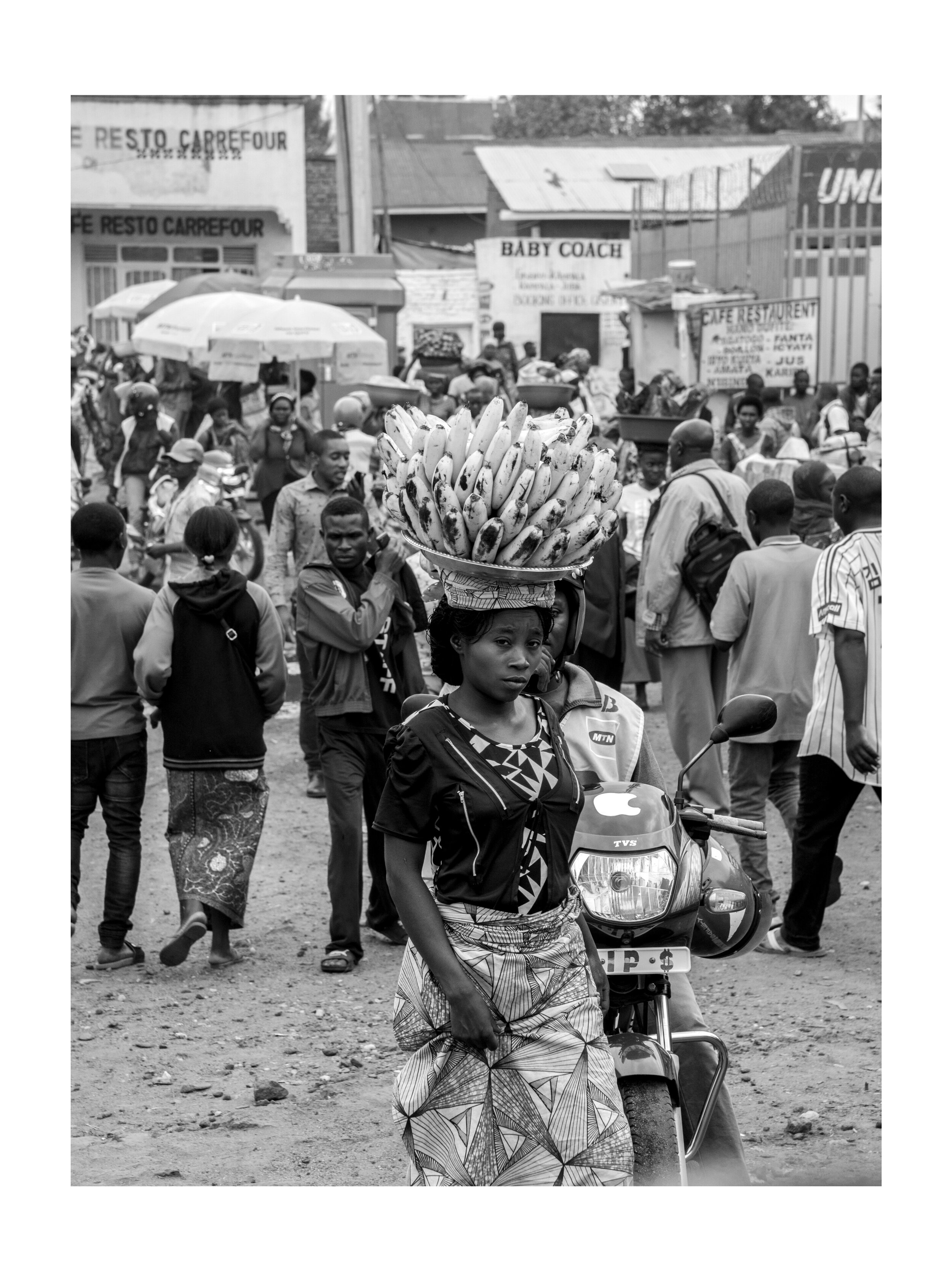
Regarding people’s familiarity or over-familiarity. Your personal space is important, and in general most Ghanaians are aware of this, but like in many congested cities when on public transport (I stan with tro-tros, but most visitors don’t) or in crowded public spaces you might be caught in a shuffle.
At market places, for instance, sellers might hiss at you quite vigorously, or call out things they think are endearing “madam, Oga, Chief, beautiful, sweetie le, darling, Obroni, black American (!), etc” all in order to get your attention and to sell their wares (cat-calling doesn’t happen often, but it can). My least favorite: the hand or arm-grab to really catch your attention. In general that last one usually isn’t intended as a come-on and if you don’t feel right about it you can say so and keep it moving.
If you’re coming from the mean streets of St. Thomas or you know, like the actual Bronx (waddup! wink wink) then I hope these abstract thoughts on patience —and concrete tools to help muster it up—will be of use to you on your journey.
Akwaaba
~Ohemaa Serwaa